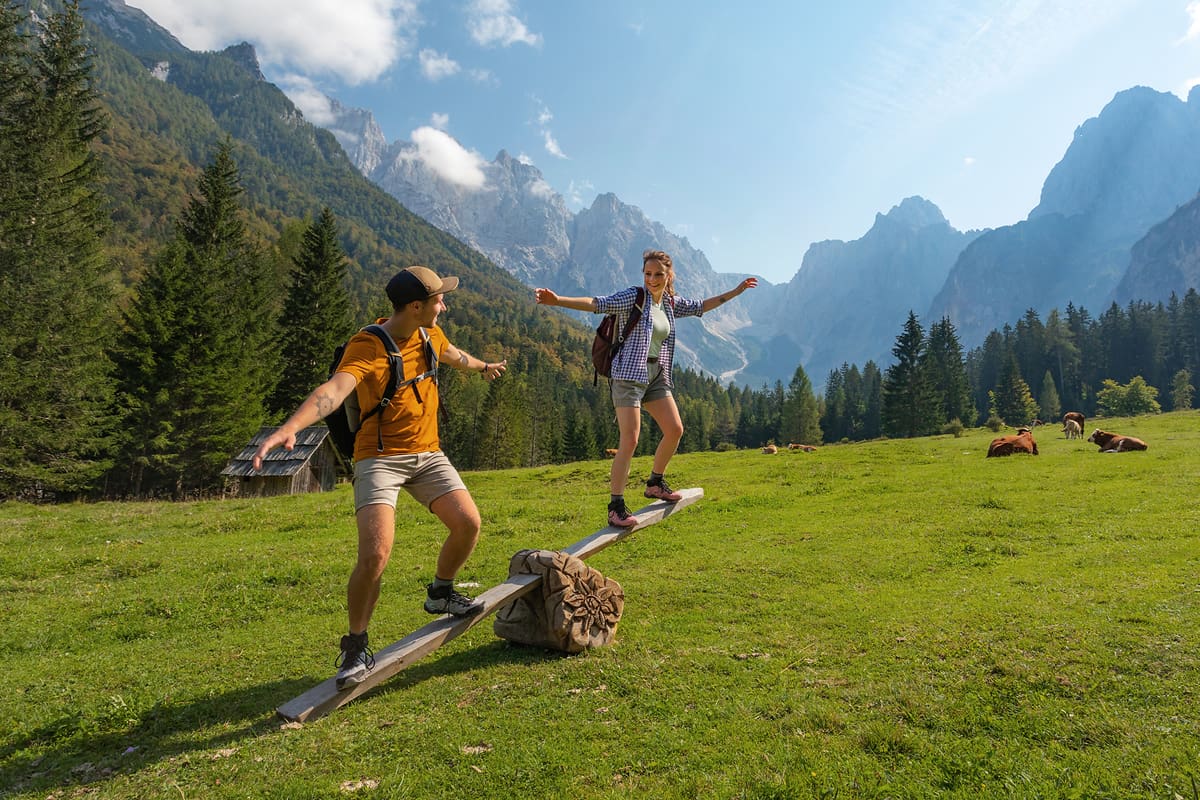


Surrounded by the dramatic peaks of the Julian Alps in northwestern Slovenia, Kranjska Gora is an alpine destination renowned for its year-round outdoor adventure and breathtaking mountain scenery. In winter, its ski slopes and snow-covered trails attract skiers and snowboarders, while warmer months bring hiking, cycling and lake swimming amid crystal-clear rivers and forested valleys. Nearby highlights such as Lake Jasna and the scenic Vršič Pass showcase the region’s natural beauty, while the town itself offers a relaxed atmosphere with cosy cafés and traditional Slovenian hospitality. Whether exploring alpine trails or simply soaking up the fresh mountain air, Kranjska Gora delivers an active and refreshing escape in the heart of the Slovenian Alps.
Kranjska Gora
Holiday Highlights
Average temperature
Information below is based on average highest temperature for each month.
- 3℃
- 6℃
- 10℃
- 15℃
- 18℃
- 24℃
- 26℃
- 25℃
- 20℃
- 15℃
- 8℃
- 4℃
- 6
- 6
- 7
- 10
- 11
- 11
- 11
- 10
- 8
- 8
- 9
- 7
Information above is based on the average number of days which experience some form of rainfall for each month.
Rainfall
When to Visit
Below gives you information and a rating of the best time of year to visit.
January
Snow blankets Kranjska Gora and the surrounding Julian Alps, creating crisp, bright mountain scenery. Quiet forest trails and frozen lakes offer rewarding winter walks away from the ski slopes. Early mornings are especially photogenic, with soft light catching the snow-covered peaks.
February
Cold conditions continue, with daytime temperatures typically around -2 to 4°C. Skiing and cross-country routes remain in excellent condition, while alpine villages feel lively yet relaxed. Smoke curling from chalet chimneys adds atmosphere during the darker evenings.
March
The valley begins to soften at lower elevations as patches of green emerge beside melting snowbanks. By March, rivers fed by snowmelt become louder and more dramatic, particularly around nearby waterfalls. Sunnier afternoons make lakeside walks increasingly appealing.
April
Fresh spring growth spreads through the forests, and temperatures often reach around 8–14°C. April is ideal for exploring quieter walking routes before the summer season begins. The mountain backdrop remains dusted with snow, creating strong contrasts across the landscape.
May
Wildflowers brighten alpine meadows, while hiking trails steadily reopen at higher elevations. Daytime highs generally sit between 14–19°C, comfortable for cycling and outdoor exploration. Clear conditions often provide excellent visibility across the surrounding peaks and valleys.
June
Long daylight hours and cool mountain air create ideal conditions for active days outdoors. Rivers and lakes fed by snowmelt appear especially vivid at this time of year. June evenings frequently bring golden light across the pine forests and alpine slopes.
July
Warm summer weather settles into the valley, with temperatures often around 22–26°C. Walking trails through Triglav National Park are at their most accessible, while mountain lakes become popular for paddleboarding and swimming. Outdoor cafés and village squares feel lively during the long evenings.
August
Sunny days continue, though occasional storms can roll dramatically across the mountains during the afternoon. Forest paths provide cooler shade during warmer spells, and panoramic viewpoints are particularly rewarding in the clear morning light. Wildlife is often more visible around quieter woodland areas.
September
The pace slows slightly as temperatures ease to around 16–21°C. September colours begin appearing across the forests, adding gold and copper tones to the alpine scenery. Walking routes feel calmer, making it a particularly rewarding month for photography and nature-focused trips.
October
Crisp air settles into the valley, and woodland colours deepen across the mountainsides. Temperatures usually range between 9–14°C, ideal for hiking or scenic drives through the surrounding passes. Morning mist occasionally lingers between the peaks, creating atmospheric conditions around the lakes and forests.
November
The first signs of winter begin returning to higher ground, while lower trails remain accessible for walking. Cooler days and shorter afternoons bring a quieter rhythm to the resort. Local cafés and inns become inviting stops after time spent outdoors.
December
Snowfall becomes more reliable again, transforming the valley into a classic alpine winter landscape. December brings festive lights, seasonal markets, and lively ski conditions across the slopes. Frosty mornings and illuminated evenings give Kranjska Gora a particularly atmospheric feel at the close of the year.
Our Ratings
Loading recommendations...
Top Holiday Offers
We’ve hand-picked a range of enticing offers to incredible destinations. If you want value for money on your next trip, start by reviewing our dedicated Top Holiday Offers page.
Most Recommended
Recommended
Highly Recommended
Not Recommended